MULTI-MODEL – SULFUR SMELL FROM EXHAUST SYSTEM
APPLICABLE MODEL(S)/VINS
| 1995-2009 B-Series | 2001-2006 Tribute | 2006-2015 Mazda5 |
| 1997-2003 Protege | 2008-2011 Tribute | 2007-2012 Mazda CX-7 |
| 1997-2005 Miata | 2003-2016 Mazda6 | 2007-2016 Mazda CX-9 |
| 1997-2002 626 | 2004-2016 Mazda3 | 2011-2014 Mazda2 |
| 1997-2002 Millenia | 2004-2011 Mazda RX-8 | 2013-2016 CX-5 |
| 1997-2006 MPV | 2006-2016 Mazda MX-5 | 2016 CX-3 |
On some vehicles, a sulfur smell or ‘rotten egg’ odor may be noticed coming from the exhaust system.
The odor is usually noticed after a cold start, fast idle, extended periods of idling and full throttle acceleration.
Sulfur smell is not an indication of an engine concern and will not cause reduced driveability or durability of the engine or any of its emission components.
The sulfur smell or ‘rotten egg’ odor is caused by high amounts of sulfur in the gasoline being used in the vehicle.
Sulfur is normally eliminated during the refining process, but the EPA regulation of sulfur in gasoline differs from state to state.
Vehicles using fuel containing high amounts of sulfur will most likely emit sulfur smell from the exhaust system.
When high sulfur fuel is burned, there is a chemical reaction in the catalytic converter causing the sulfur to oxidize.
As the vehicle is driven, the oxidizing reaction odor in the converter will decrease with mileage and age.
RECOMMENDATIONS
CAUTION: Replacing the catalytic converter will not eliminate sulfur smell and replacement will just extend the period of time needed for the converter to ‘age’ allowing it to reduce sulfur smell to an acceptable level.
- Switch to a different brand of fuel and drive the vehicle for at least 100 miles. Monitor the decrease or increase in sulfur smell.
- Do not add any type of ‘fuel additive’ as this could add sulfur to the fuel and cause/increase the odor.
- Try to avoid extended periods of short trip driving or aggressive acceleration.
- Request information from your local fuel dealers on the amounts of sulfur in their gasoline. Try to use fuel containing the lowest amounts of sulfur.
- Visit the EPA and gasoline company websites to stay informed on any changes in fuel or environmental regulations. A website to check is:

- QUALITY ASSURED
- Reduces: rough idle, engine surge, hesitation, and spark plus fouling
- 20 oz. bottle.
- Improves: cold start performance, and fuel stability for up to one year

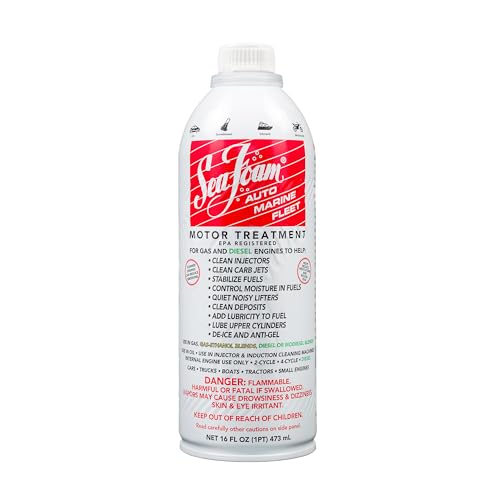
- DEEP FUEL SYSTEM CLEANING - Cleans the entire fuel system (injectors, carburetor passageways, intake valves, and chamber areas) to help restore power, MPG, and throttle response.
- FUEL ADDITIVE FOR GASOLINE AND DIESEL ENGINES - Breaks down fuel residues and varnish for smoother idling and cleaner combustion in gasoline and diesel engines.
- OIL TREATMENT FOR ENGINE CLEANING - Cleans sludge and deposits that can restrict oil flow and lubrication in motor oil crankcases, helping support longer engine life in car and truck engines.
- FUEL STABILIZER - Keeps gas or diesel fresh for up to 2 years. Ideal as a fuel stabilizer and gas stabilizer for stored cars, motorcycles, and generators.
- SAFE FOR ALL ENGINES & FUELS - Compatible with all gasoline and diesel fuels and blends, including E10 and E85. Trusted for use as a gasoline and diesel fuel additive.

- The world’s #1 fuel additive for both gasoline and diesel engines
- A great tune-up in a bottle – treats gasoline, diesel fuel and increases MPG
- Cleans and lubricates the fuel system, including fuel injectors, carburetor and combustion chamber
- Improves fuel economy by burning excess exhaust emissions
- Increases power and acceleration by improving fuel flow and reducing deposit buildup
This product presentation was made with AAWP plugin.