
RX-8 Fuel Pump Ring Replacement Procedure
Preparation for Repair
Warm the retainer and fuel pump ring of KIT parts
Soak in hot water no hotter than 140 ° F no more than 15 minutes (5 mins is usually sufficient)
- This will make it easier to assemble the retainer
* Be sure to wipe off the water from the retainer and fuel pump ring after warming.
B. REPAIR PROCEDURE
WARNING
- Fuel is extremely flammable. Always keep sparks and flames away from fuel. Ignition may cause death or serious injury, or damage to equipment.
- Fuel line spills and leakage from the pressurized fuel system are dangerous. Fuel can ignite and cause serious damage, injury, or death. Fuel can also irritate skin and eyes. To prevent this, always complete the “Fuel Line Safety Procedure”.
- A person charged with static electricity could cause a fire or explosion, resulting in death or serious Before performing work on the fuel system, discharge static electricity by touching the vehicle body.
CAUTION
If there is foreign material on the connecting area of the quick release connector, it might damage the connector or fuel pipe. To prevent this, when the quick release connector has been disconnected, clean the connecting area before reconnecting it.
Perform Fuel Line Safety Procedure
a. Remove the fuel-filler cap to release the pressure inside the fuel tank.
b. Remove the fuel pump relay.
c. Start the engine.
d. After the engine stalls, crank the engine several limes.
e. Check the fuel level on the gauge.
f. Turn the ignition switch to the LOCK position.
g. Install the fuel pump relay.
1. Remove the rear seat cushion. (Both right and left sides)
Lift the point A in the direction of the arrow and then remove the rear seat cushion.
2. Remove the 5ervice hole cover
NOTE: If the fuel gauge indicates 1 / 4 or less, go to Step 11 skipping Steps 3-10.
3. Drain fuel from the fuel tank. (Only when the fuel gauge indicates l / 4 or more)
CAUTION: When the fuel gauge indicates 1 /4 or more, the fuel level is higher than the installation surface of the fuel pump and the fuel suction pipe bracket. Due to this condition, fuel may spill or leak out when performing next steps. Therefore, make sure to drain out fuel until the fuel tank becomes 1/4 full or less (according to the fuel gauge indication).
WARNING: A person charged with static electricity could cause a fire or explosion. resulting in death or seriou5 injury. Before draining fuel, make sure to discharge static electricity by touching the vehicle body.
4. Disconnect the quick release connector (engine compartment side).
5. Attach a long hose to the disconnected fuel pipe and drain the fuel into a proper receptacle.
6. Ground the check connector terminal F/P to the body using a jumper
CAUTION: Shorting a wrong terminal of the check connector may cause electrical malfunctions. Make sure to short only the specified terminal.
7. Turn the ignition switch to the ON position and operate the fuel
CAUTION: The fuel pump may malfunction if it is operated without any fuel in the fuel tank (fuel pump idling). Constantly monitor the amount of fuel being discharged and immediately stop operation of the pump when no fuel is being discharged.
8. When no fuel is being discharged from the hose, turn the ignition switch to the LOCK
NOTE: When operating the fuel pump with a full fuel tank, fuel discharge will become erratic after approx. 10 min but will continue for approx. 10 min more and then essentially no fuel will be discharged. At this time the fuel gauge needle will be at the 1 / 4 position.
9. Disconnect the jumper
10. Disconnect the negative battery
11. Put on safety googles and use a pressurized air gun to lightly blow out any dirt, debris from the top of the fuel tank and around both fuel pump rings. You will more thoroughly clean that area in a later step
12. Disconnect the connectors and quick connector of fuel pump unit and fuel suction pipe bracket.
CAUTION: When disconnecting the quick connector, wrap it in a waste cloth to prevent fuel from splashing.
13. Remove the fuel pump ring using SST (Fuel Pump Ring Wrench).
CAUTION
- The fuel pump ring could be damaged if the SST is used with any play between the fuel pump ring and the SST. Securely attach the SST so that there is no gap between the SST tabs and the side of the fuel pump ring.
- The fuel suction pipe might be damaged if the fuel pump unit is lifted too much. Make sure to lift the pump only a small amount.
14. Use SST to remove the Fuel suction pipe bracket (sub).
15. Lift the fuel suction pipe bracket up slightly and remove the gasket.
16. Remove the retainer.
CAUTION
DO NOT LEAVE THE FUEL TANK FOR A LONG TIME WITHOUT THE FUEL PUMP RING INSTALLED.
If the fuel tank is left for a long time without the new fuel pump ring installed, the shape of the fuel tank where the fuel pump ring is installed could be deformed by swelling, causing it to be difficult to install the new fuel pump ring.
Therefore, install the new fuel pump retainer, gasket, and ring immediately after cleaning the mounting surfaces once the old fuel pump ring has been removed as quickly as possible.
- Complete the replacement at one side first then proceed to other side.
- Put replacement parts near the vehicle before starting the replacement.
17. Replace the fuel pump ring, retainer, and gasket with new parts.
18. Prepare warmed fuel pump ring and retainer. (Sec: Preparation for repair)
19. Fit the retainer in the three dents of the fuel tank.
CAUTION
Before installing the retainer, clean up following portions of the fuel tank using clean shop rags (Sand, dust, and oil may have accumulated).
1) Top surface of fuel pump unit (main) (sub)
2) Retainer mounting surface of the fuel tank.
3) Retainer, pump ring (wipe off water after warming)
- Warm the pump ring and retainer so that they can be smoothly assembled to the fuel tank.
20. Set the gasket on groove of fuel tank.
21. Make sure to put and push Fuel gauge unit (Sub) on groove of fuel tank from above by hand.
22. Align the right side of the notch in the retainer with the center of the three lines of the pump ring. This is the [Rotation start position] for tightening while rotating.
The notch on the right side of retainer is the rotation start position
The thread of the pump ring begins to hang to thread of retainer from here
Align the center of the three lines of the pump ring as the [Rotation start position]
Mark the tank side with [Rotation start position] ◎ so to recognize the rotation angle
23. As shown in the figure below, tighten the fuel pump ring by hand, one turn (360 °), while holding the top of pump unit by hand from above.
CAUTION: * If the Fuel Pump Ring cannot be tightened by hand, remove the pump ring, check that the retainer, gasket, and pump ring are free of foreign matter such as damage, misalignment, and sand, and then tighten again.
24. Tighten another half turn (180°) using SST. (When tightened for a total of one and a half turns (540°), the pump ring tightening start position mark (three lines) will be around position #3 (540°) in the figure.). Then tighten the pump ring to the specified torque.
Pump ring tightening torque: 74ft-lbs ± 14ft-lbs ( 100 N· m± 20 N· m) (Be sure to use a preset type torque wrench)
Tightening rotation range: 540° to 580° (limit angle: do not exceed 580°)
CAUTION
If SST is used with any gaps between the wall surface of the pump ring and the claws of the SST, the pump ring may be damaged. Make sure to install SST so that there are no gaps.
NOTE:
If the tightening torque exceeds the upper limit before reaching 540°, remove the pump ring and check that the retainer, gasket, and pump ring are free of foreign matter such as damage, misalignment, and sand. Tighten again.
If the tightening torque does not rise to the specified value even if the rotation limit exceeds 580 °, remove the retainer, gasket, and pump ring, check if the gasket has been forgotten to be installed, or if oil or water has adhered, and then tighten again. The same applies to the upper surface of the Fuel suction pipe bracket.
25. For the [Fuel pump unit] (main) side, replace the retainer, gasket, and pump ring in the same procedure.
26. Connect the fuel gauge unit (main) (sub) connector and the fuel quick connector.
CAUTION
After connecting the fuel system quick connector, lightly push and pull in the axial direction to check that there is no disconnection
27. Attach two heat insulation pads to the fuel tank.
28. Clean the fuel tank where the pad will be attached. There cannot be any dirt present, or the pads will fall off.
29. Remove the backing tape and attach the pad to the fuel tank as shown above.
NOTE
- Attach the pad so it connects without clearance to the existing pad in the central portion of the fuel tank.
- Stick the pad onto the tank without clearance between the body and the tank.
- After sticking the pads, confirm that the tape is stuck securely.
30. After pasting the pads, make sure that the tape is firmly attached.
Fuel leak check
i. Fill the tank with the fuel you previously drained.
ii. Connect the battery(-) cable and start engine.
iii. Make sure there are no fuel leaks near the fuel pump unit.
iv. Drive the vehicle, go, and stop suddenly 5-6 times at low speed.
v. Stop the vehicle and check that there is no fuel leakage near the fuel pump and tank.
vi. Perform an on-board evap test to confirm no evaporative leak with IDS
32. Install the service hole cover with four (4) screws.
33. Install the rear seat cushions.
2009-2011 Mazda RX-8 & 2006-2007 MazdaSpeed6 5121I Fuel Leak From Fuel Pump Mounting Rings
Safety Recall 5121I – Repair Procedure – 2009-2011 Mazda RX-8
Remedy Instructions and TSB
RCRIT-21V744-9733.pdf 2254.954KB
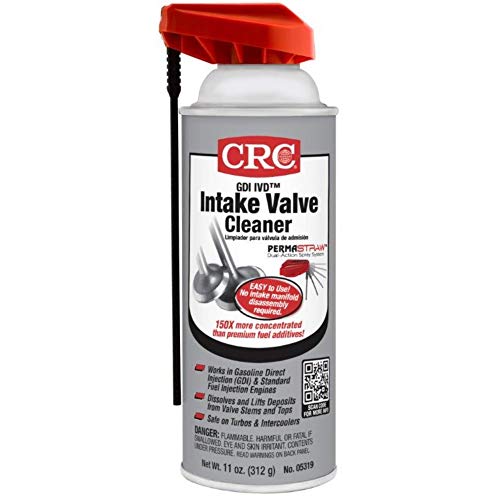
- Proven to clean intake valves on GDI engines and turbo systems
- Easily installed through the air intake system
- Highest concentration PEA (Polyether Amine) detergency available
- Proven to remove up to 46% of GDI Intake Valve deposits in 1 hour
- 150X more concentrated than fuel additives


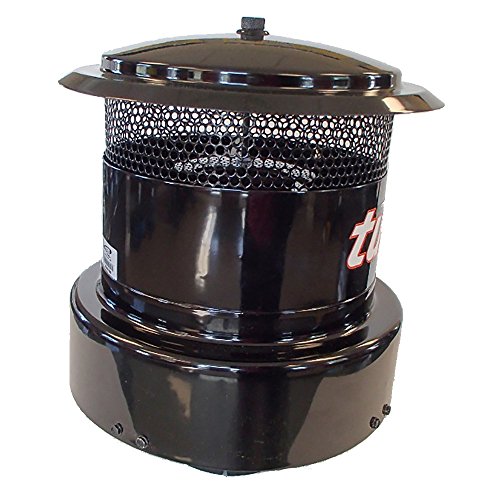
- One New Aftermarket Replacement Turbo Ii Pre-Cleaner For Model 46 (With 4.5" Inlet) That Features Ev
- OEM Numbers Are Provided for Reference Only. Please Verify Fit Prior To Ordering.
- Please Note: Some Listings Use Stock Images for Reference and May Differ from the Actual Product.
- This Aftermarket Part Is Made to Meet or Exceed Manufacturer (OEM) Specifications.
- All OEM part numbers and logos are to be used for identification purposes only.
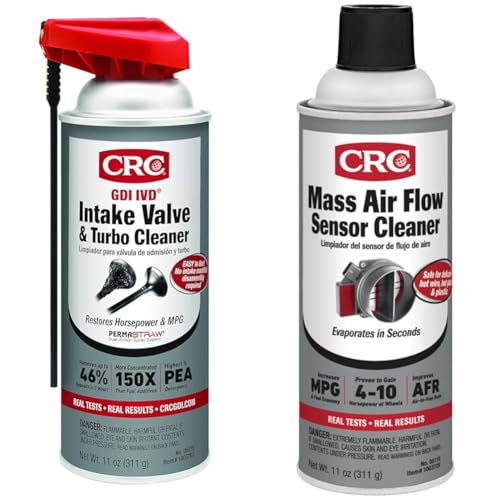
- Proven to clean intake valves on GDI engines and turbo systems with advanced Cozol technology
- Increases horsepower and improves air/fuel ratio and MPG by cleaning mass air flow sensors
- Easily installed CRC cleaner through the air intake system to remove deposits
- CRC GDI cleaner dissolves baked-on carbon deposits for smoother idle
- Mass air flow sensor cleaner dries in seconds and is plastic safe

- Removes Carbon Buildup Fast: Breaks down stubborn, baked‑on carbon deposits on intake valves and turbo components, restoring airflow and improving engine performance.
- Boosts Power & Efficiency: Regular use increases power and torque, improves MPG, and reduces rough idle, hesitation, and hard starts.
- Proven High‑Strength Formula: Delivers concentrated cleaning agents directly to intake valves—up to 150× stronger than premium fuel additives—and removes up to 46% of deposits within the first hour.
- No Engine Teardown Required: Safe for GDI and PFI engines; simply spray through the air intake system for professional‑grade cleaning without disassembly.
- Reduces Emissions & Improves Drivability: Helps restore proper combustion, reduce harmful emissions, and smooth out idle and acceleration for a cleaner‑running engine.
SEOCONTENT-START
Page 1 of 16 ① ① ② ② ③ ④ ④ ① ① Page 2 of 16 Repair Procedure – RX-8 Only Safety Recall 51211 Preparation for Repair Warm the retainer and fuel pump ring of KIT parts Soak in hot water no hotter than 140 ° F no more than 15 minutes (5 mins is usually sufficient) ► This will make it easier to assemble the retainer * Be sure to wipe off the water from the retainer and fuel pump ring after warming. 1 2 No. 1 2 Parts Name Retainer Fuel Pump ring B. REPAIR PROCEDURE WARNING • Fuel is extremely flammable. Always keep sparks and flames away from fuel. Ignition may cause death or serious injury, or damage to equipment. • Fuel line spills and leakage from the pressurized fuel system are dangerous. Fuel can ignite and cause serious damage, injury, or death. Fuel can also irritate skin and eyes. To prevent this, always complete the “Fuel Line Safety Procedure”. • A person charged with static electricity could cause a fire or explosion, resulting in death or serious injury. Before performing work on the fuel system, discharge static electricity by touching the vehicle body. CAUTION If there is foreign material on the connecting area of the quick release connector, it might damage the connector or fuel pipe. To prevent this, when the quick release connector has been disconnected, clean the connecting area before reconnecting it. Perform Fuel Line Safety Procedure a. Remove the fuel-filler cap to release the pressure inside the fuel tank. Page 3 of 16 Repair Procedure – RX-8 Only Safety Recall 51211 b. Remove the fuel pump relay. Mil.Ill FUSEBLOCK FIUEL UMP RIEU.V c. Start the engine. d. After the engine stalls, crank the engine several times. e. Check the fuel level on the gauge. f. Turn the ignition switch to the LOCK position. g. Install the fuel pump relay. 1. Remove the rear seat cushion. (Both right and left sides) Lift the point A in the direction of the arrow and then remove the rear seat cushion 2. Remove the service hole cover NOTE: If the fuel gauge indicates 1 / 4 or less, go to Step 11 skipping Steps 3-10. 3. Drain fuel from the fuel tank. (Only when the fuel gauge indicates 1 /4 or more) CAUTION: When the fuel gauge indicates 1 /4 or more, the fuel level is higher than the installation surface of the fuel pump and the fuel suction pipe bracket. Due to this condition, fuel may spill or leak out when performing next steps. Therefore, make sure to drain out fuel until the fuel tank becomes 1 / 4 full or less (according to the fuel gauge indication). Page 4 of 16 Repair Procedure – RX-8 Only Safety Recall 51211 WARNING: A person charged with static electricity could cause a fire or explosion, resulting in death or serious injury. Before draining fuel, make sure to discharge static electricity by touching the vehicle body. 4. Disconnect the quick release connector (engine compartment side). OU RELEA C:OIINFCTOR 5. Attach a long hose to the disconnected fuel pipe and drain the fuel into a proper receptacle. 6. Ground the check connector terminal F/P to the body using a jumper wire. C:IH EC 00111IEGlOR FIP’ .c-HEC COl11IEC10R CAUTION: Shorting a wrong terminal of the check connector may cause electrical malfunctions. Make sure to short only the specified terminal. 8. Turn the ignition switch to the ON position and operate the fuel pump. CAUTION: The fuel pump may malfunction if it is operated without any fuel in the fuel tank (fuel pump idling). Constantly monitor the amount of fuel being discharged and immediately stop operation of the pump when no fuel is being discharged. 9. When no fuel is being discharged from the hose, turn the ignition switch to the LOCK position. NOTE: When operating the fuel pump with a full fuel tank, fuel discharge will become erratic after approx. 10 min but will continue for approx. 10 min more and then essentially no fuel will be discharged. At this time the fuel gauge needle will be at the 1 / 4 position. 10. Disconnect the jumper wire. 11. Disconnect the negative battery cable. Page 5 of 16 1 3 2 1 2 • • Page 6 of 16 Fuel Pump Ring Fuel suction Pipe Bracket (Sub) Gasket Fuel Pump Unit (Main) Retainer 1 2 3 • • Page 7 of 16 Repair Procedure – RX-8 Only Safety Recall 51211 CD No. © @ ® Parts Name Fu eil Pump Ring Retainer Fu eil Pump Ga s.ket 18. Replace the fuel pump ring, retainer, and gasket with new parts. 19. Prepare warmed fuel pump ring and retainer. (See: * Preparation for repair) 20. Fit the retainer in the three dents of the fuel tank. CAUTION Before installing the retainer, clean up following portions of the fuel tank using clean shop rags (Sand, dust, and oil may have accumulated). 1) Top surface of fuel pump unit (main) (sub) 2) Retainer mounting surface of the fuel tank. 3) Retainer, pump ring (wipe off water after warming) ・ Warm the pump ring and retainer so that they can be smoothly assembled to the fuel tank. Page 8 of 16 1 2 3 Page 9 of 16 Repair Procedure – RX-8 Only Safety Recall 51211 1 The notch on the right side of retainer is the rotation start position 2 The thread of the pump ring begins to hang to thread of retainer from here 3 Align the center of the three lines of the pump ring as the [Rotation start position] 4 Mark the tank side with [Rotation start position] ◎ so to recognize the rotation angle 24. As shown in the figure below, tighten the fuel pump ring by hand, one turn (360 °), while holding the top of pump unit by hand from above. CAUTION: * If the Fuel Pump Ring cannot be tightened by hand, remove the pump ring, check that the retainer, gasket, and pump ring are free of foreign matter such as damage, misalignment, and sand, and then tighten again. 25. Tighten another half turn (180°) using SST. (When tightened for a total of one and a half turns (540°), the pump ring tightening start position mark (three lines) will be around position #3 (540°) in the figure.). Then tighten the pump ring to the specified torque. Pump ring tightening torque: 74ft-lbs ± 14ft-lbs ( 100 N· m± 20 N· m) (Be sure to use a preset type torque wrench) Tightening rotation range: 540 ° to 580 ° (limit angle: do not exceed 580 °) Page 10 of 16 Repair Procedure – RX-8 Only Safety Recall 51211 1 Make one rotation by hand (360 °) 2 Further, make a half turn (180 °) with SST. 3 Position rotated (540 °) Further tighten to the specified 4 torque – (74ft-lbs ± 14ft-lbs) (100 N- m± 20 N- m) 5 [Rotation limit position] (580 °) The position where 2.5 ribs are 6 tightened from 540 ° becomes about 580 ° 7 Front of vehicle 8 Preset type torque wrench 8 ;,{ , 111-= \ill J !!1 –. – CAUTION If SST is used with any gaps between the wall surface of the pump ring and the claws of the SST, the pump ring may be damaged. Make sure to install SST so that there are no gaps. Page 11 of 16 Fuel Pump Fuel suction Pipe Bracket Gaske Fuel Pump Retaine 1 3 2 Page 12 of 16 : 1 Page 13 of 16 • • • A B Page 14 of 16 Repair Procedure – RX-8 Only Safety Recall 51211 1 Push in as much as you can so that there is no gap with the body 2 Tape 3 Heat Insulation Pad 4 Stick the tape so that it is above the tank The tape should not be on the lower side (ground side) of the tank.5 (May be peeled off by muddy water from the ground) 6 Fuel tank upward (vehicle upward) Fuel leak check 1. Fill the tank with the fuel you previously drained. 11. Connect the battery(-) cable and start engine. 111. Make sure there are no fuel leaks near the fuel pump unit. Iv. Drive the vehicle, go, and stop suddenly 5-6 times at low speed. v. Stop the vehicle and check that there is no fuel leakage near the fuel pump and tank. v1. Perform an on-board evap test to confirm no evaporative leak with IDS 32. Install the service hole cover with four (4) screws. 33. Install the rear seat cushions. B. CAMPAIGN LABEL INSTALLATION 1. Fill out a Black “Campaign Label” (9999-95-055A-06) with Campaign No: “51211”, your dealer code, today’s date. C MP IGNLABEL C.AMPP.IGNNO: — DiEALERCCOE: _ II :m, 2. Affix it to the hood as shown: Page 15 of 16 Page 16 of 16 Repair Procedure – RX-8 Only Safety Recall 51211 END OF REPAIR PROCEDURE
SEOCONTENT-END
This product presentation was made with AAWP plugin.